How much the Government of Malawi owes right now, your household's share, who the lenders are, how the debt changed under each president, and where it could go next. From Ministry of Finance figures, updated every month.
Total public debt · live estimate
K24,329,227,000,000
Starts from the Ministry of Finance's last official figure, K24.33 trillion at end-December 2025, and adds the government's planned borrowing since then: about K90,000 every second.
Per person
–
of about 22.8 million Malawians
Debt to GDP
93.2%
of a year's economic output, end-December 2025
Interest, 2026/27
K2.79 trillion
about K7.6 billion a day
Owed inside Malawi
66%
the rest, US$4.80 billion, abroad
Your household's share
Not a bill you will receive, but what the debt works out to for your home, and what its interest costs each year through taxes and prices.
Share of the debt
–
Share of this year's interest
–
Debt added for your household each day
–
Years of income to clear your share
–
The average household in Malawi has 4.4 people (2018 Census).
Out of every K100 the government collects
K34 goes on interest
Interest on debt: K2.79 trillion
Everything else: K5.33 trillion
Total 2026/27 budget
K10.98 trillion
Revenue and grants
K8.13 trillion
Borrowed to fill the gap
K2.85 trillion
All development projects
K3.39 trillion
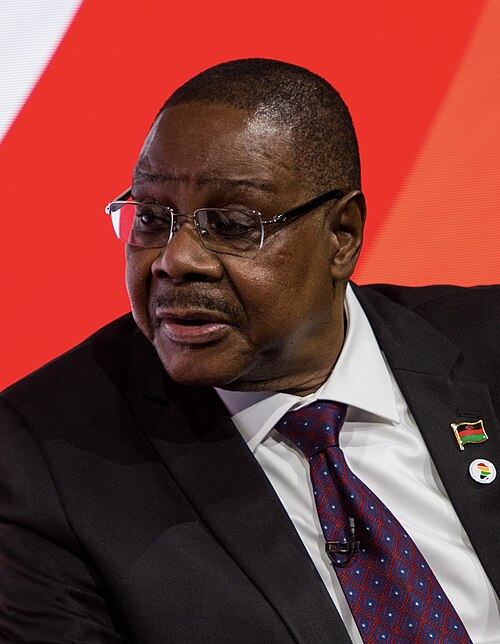
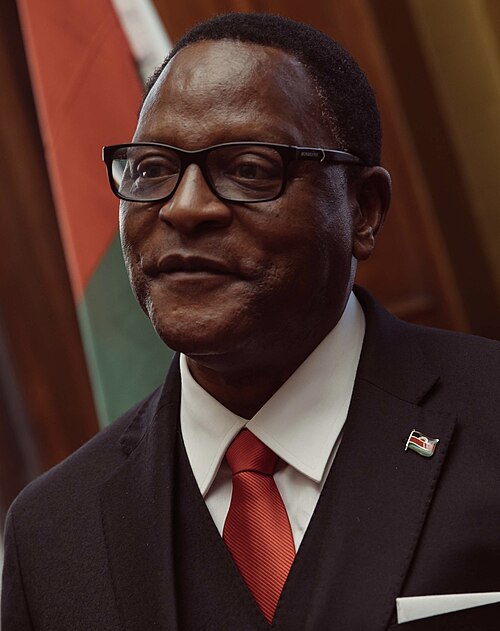
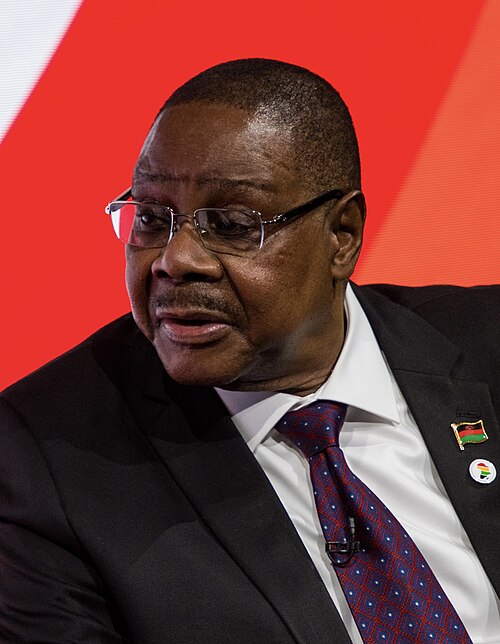
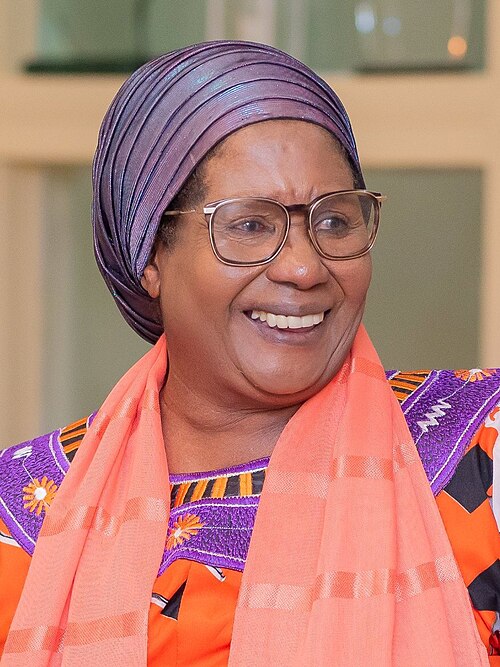
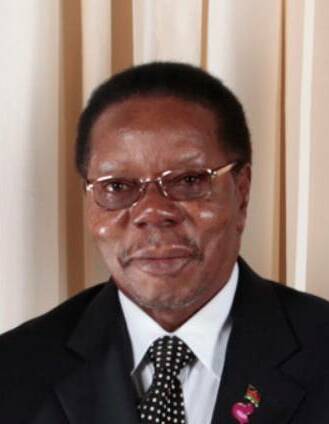
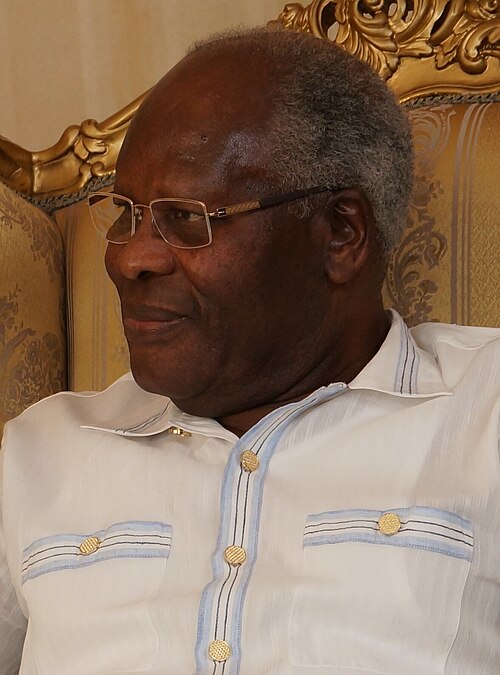
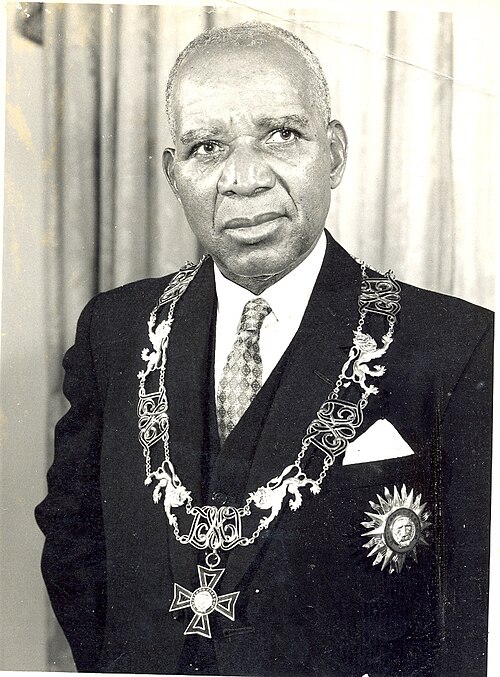
National debt by president
How Malawi's public debt changed under every president since independence, measured the same way for all of them: as a share of the economy (GDP), and in US dollars and kwacha.
How this is measured: debt as a share of GDP at the year-end nearest each handover (IMF Global Debt Database, on today's GDP measure), converted to kwacha with World Bank GDP and to dollars at that year's exchange rate. Where the Ministry of Finance published a figure for the handover itself, that figure is used instead: end-June 2020 (Annual Public Debt Report 2019/20) and end-December 2025. October 2025 is an estimate between the Ministry's end-March and end-December 2025 figures. Kwacha amounts from different decades are not comparable because of inflation and devaluation; the share of GDP is. Presidents do not borrow alone: Parliament approves every budget, and droughts, aid flows and world prices shape the numbers. Debt relief under the HIPC initiative in 2006 explains most of the fall under Bingu wa Mutharika. Updated every month.
Multilateral lenders (World Bank, African Development Bank, IMF and others) hold 70%, commercial lenders 23% and other governments 8%. Includes the Reserve Bank of Malawi's foreign borrowing. end-December 2025.
Inside Malawi: K16.01 trillion, by type
Treasury Notes and Bills are government IOUs bought mostly by local banks, pension funds and the Reserve Bank. High interest on them is why domestic debt is so costly.
Debt as a share of the economy since 1970
Debt relief in 2006 (the HIPC initiative) cut Malawi's debt from over 70% to under 20% of GDP. It has climbed every year since 2011 and is now above 90%.
1970–2024: IMF Global Debt Database (central government debt). End-2025: Ministry of Finance. The dashed line is the SADC target of 60% of GDP.
What if? Where the debt goes next
Move the sliders to see how growth, prices, borrowing and the kwacha shape the debt over the next ten years. A simple illustration, not a forecast.
Starts from end-December 2025: K24.33 trillion, GDP K26.12 trillion. Each year the deficit is added to the debt (93% borrowed at home and 7% abroad, as in the 2026/27 budget) and the dollar debt is revalued at the new exchange rate. "Budget plan" uses the 9% deficit target; "World Bank warning" uses its projected 11.8%.
Questions people ask
How much is Malawi's national debt?
Malawi's total public debt was K24.33 trillion at the end of December 2025, according to the Ministry of Finance: K16.01 trillion owed to lenders inside Malawi and US$4.8 billion owed abroad. That is 93.2 percent of the country's yearly economic output (GDP).
How much does each Malawian owe?
Divided across about 22.8 million people, the debt comes to roughly K1.07 million per person. It is not a personal bill: it is paid back over many years from taxes and other government revenue.
Who does Malawi owe money to?
About two thirds of the debt is owed inside Malawi, mostly as Treasury Notes and Bills held by banks, pension funds and the Reserve Bank. Abroad, the largest lender is the World Bank's International Development Association (US$1.9 billion), followed by Afreximbank, the African Development Fund, the Trade and Development Bank and the IMF.
How much interest does Malawi pay on its debt?
The 2026/27 budget sets aside K2.79 trillion for interest on public debt. That is about a quarter of all government spending, and about 34 tambala of every kwacha the government expects to collect in revenue and grants.
Why is Malawi's debt rising so fast?
The government spends more than it collects every year (a budget deficit of about K2.85 trillion planned for 2026/27) and borrows the difference, mostly from local banks at high interest rates. Interest on earlier borrowing is now one of the biggest items in the budget, which adds to the deficit itself.
The clock starts from the Ministry of Finance's last official debt figure and adds the government's planned borrowing (each year's budget deficit) second by second. It is an estimate: the real figure also moves with the exchange rate, repayments and new loans, and is confirmed when the Ministry publishes its next debt report. Every month this page checks the Ministry of Finance and Reserve Bank publications for a newer official figure, and the IMF and World Bank for revised statistics. Per-person figures use the UN population estimate, growing about 2.55% a year. Dollar amounts use the Reserve Bank of Malawi middle rate of K1,734 per US$. Last updated 10 October 2026. Spotted something out of date? Tell us.