
Table of contents
- Submit a formal application letter to the Secretary for Trade and Industry to request an import licence, with processing taking 14 working days if all documents are attached2
- Import licence fee is MK20,000 (non-refundable) and the licence is valid for 12 months from the date of issue2
- Not all goods require an import licence; fertilizers and certain forest products do, but most commodities do not13
- For imports, provide customs documentation including bill of lading, commercial invoice, packing list and certificate of origin to the Malawi Revenue Authority1
- For exports, prepare commercial invoices, packing lists and certificates of origin, and check if your product requires an export licence4
Not all imports require a licence. Most commodities do not need one, but certain products including fertilizers are subject to import licence requirements.3 Check the list of products requiring import licences in the First Schedule of the Control of Goods (Import and Export Licence) Regulations 2020.2
If your product requires a licence, submit a formal application letter addressed to the Secretary for Trade and Industry.2 Processing takes 14 working days if all documents are attached.2 Once processed, you pay a non-refundable licence fee of MK20,000 upon collection.2 Your licence is valid for 12 months from the date of issue.2
For fertilizer specifically, submit a pre-shipment sample to the Malawi Bureau of Standards for conformity assessment, with a certificate of analysis and material safety data.1 Prepare customs documentation including a bill of lading, commercial invoice, packing list and certificate of origin for the Malawi Revenue Authority.1
Exporting goods
Export requirements depend on your product. Generally, certain maize, mineral and forestry products require export licences.3 Register your business with the Malawi Investment and Trade Centre and ensure compliance with export regulations.4
For all exports, prepare commercial invoices, packing lists and certificates of origin.4 If exporting agricultural products, adhere to quality standards set by the Malawi Bureau of Standards and obtain certifications such as the Export Quality Certification Scheme.4 Be aware of specific requirements in the destination country, such as import permits or phytosanitary certificates.4
If exporting under the SADC Trade Agreement, use a SADC certificate of origin to enjoy preferential rates of duty in member states.8 The certificate is obtained from the Malawi Revenue Authority Customs Stations at Blantyre Port, Lilongwe Port or Mzuzu Port for a fee of MK50.00 per copy.8
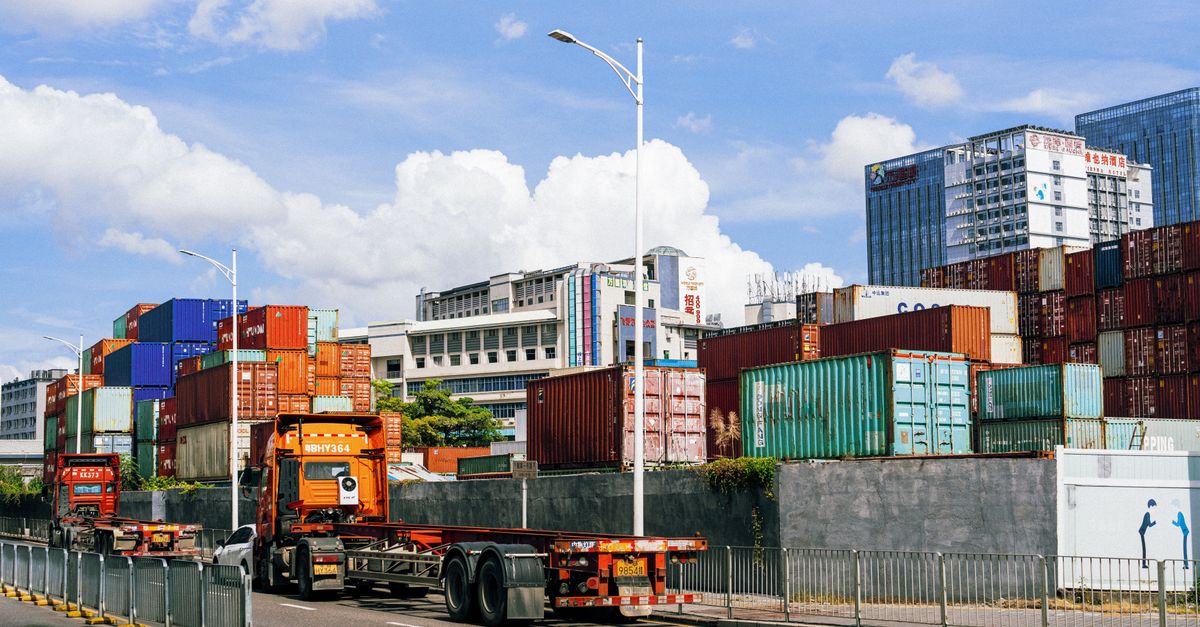
SADC trade benefits
If importing from or exporting to a SADC member state, you may benefit from lower or zero customs duties.9 A certificate of origin from the importing or exporting country is needed to access these benefits.9
Official sources
- Step by Step: How to Import Fertilizer trade.gov.mw · archived copy
- STANDARD OPERATING PROCEDURES FOR OBTAINING AN IMPORT AND EXPORT LICENSE trade.gov.mw · archived copy
- Faq trade.gov.mw · archived copy
- Step by Step: How to Export Agricultural Products trade.gov.mw · archived copy
- Business Opportunities in the SADC Region – Malawi Revenue Authority mra.mw · archived copy
- Blantyre learns trade taxes – Malawi Revenue Authority mra.mw · archived copy
Every fact in this guide comes from these official Government of Malawi pages, numbered to match. Fees, dates and rules change: confirm on the official site before you go. Spotted an error? Tell us.